
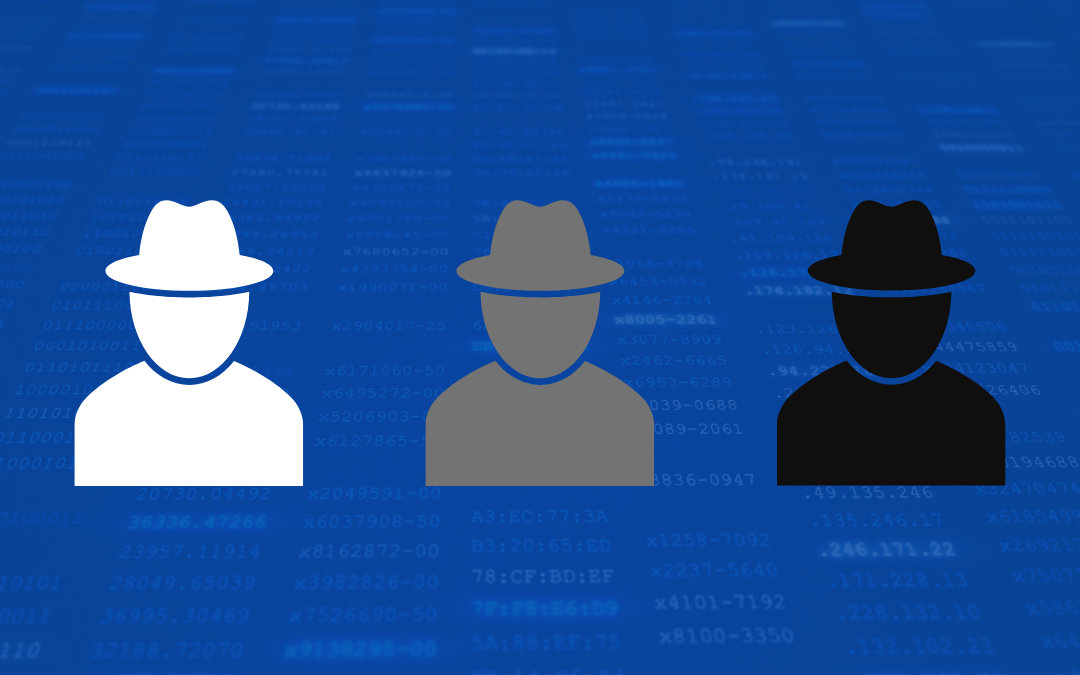
When most people think of hackers, they imagine cybercriminals operating in the shadows, stealing data, disrupting systems, and causing chaos. While that image is partially accurate, it is only one piece of a much larger story.
In reality, the term hacker encompasses a wide range of individuals with varying intentions, ethics, and roles in the digital ecosystem. Understanding these distinctions is essential for any organization looking to strengthen its cybersecurity posture.
1. White Hat Hackers (Ethical Hackers)
White hat hackers are cybersecurity professionals who use their skills for defensive purposes. They are often employed by organizations or work as consultants to identify vulnerabilities before malicious actors can exploit them. Most white hat hackers are employed by companies with training budgets, or companies who encourage their employees to learn hacking techniques while on the job. Through penetration testing, vulnerability assessments, and security audits, they play a critical role in protecting sensitive data and infrastructure.
2. Gray Hat Hackers
This category of hackers operate in a more ambiguous space. They mainly hack into their targets’ networks to look for vulnerabilities in a system without the owners’ permission or knowledge, but harmlessly. In some cases, they uncover vulnerabilities and report them to organizations, but they often request a fee to fix the issues they find. While their actions can lead to positive outcomes, they still raise ethical and legal concerns as this type of hacking is still considered illegal because the hackers don’t receive permission from the owners before attempting to attack their systems.
3. Black Hat Hackers
The third kind is the stereotypical kind, malicious hackers, sometimes called crackers. Black hats lack ethics, sometimes violate laws, and break into computer systems for personal or financial gain, often engaging in activities such as data theft, ransomware attacks, and system disruption. They may violate the confidentiality, integrity, or availability of an organization’s systems and data. Their actions pose significant risks to businesses, governments, and individuals alike.
Staying Safe from Hackers
Understanding the different types of hackers helps organizations move beyond a simplistic view of cybersecurity. It highlights the importance of proactive defense, ethical testing, and strategic awareness.
The purpose of cybersecurity is both to stop threats and to leverage the right expertise to stay ahead of them. In a world where digital systems are integral to nearly every aspect of business, knowing who’s on your side, and who isn’t, can make all the difference.
How Are You Handling Cyber Threats?